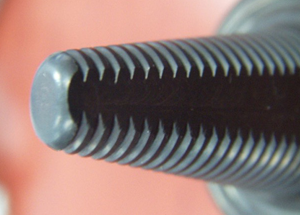
마찰교반용접 (Friction Stir Welding, FSW)
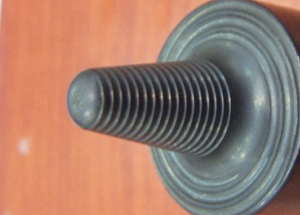
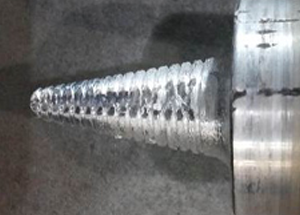
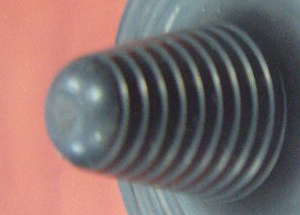
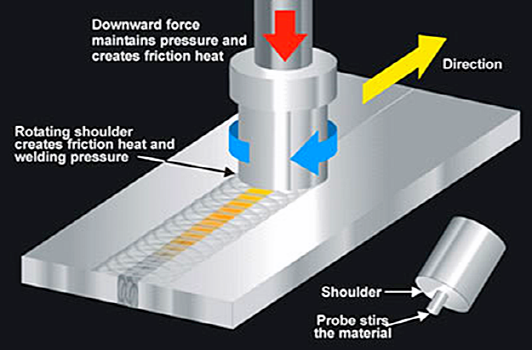
A joining process that induces plastic flow in the solid state below the melting point through frictional heat generated between a rotating tool and the base material, combined with stirring by the pin.


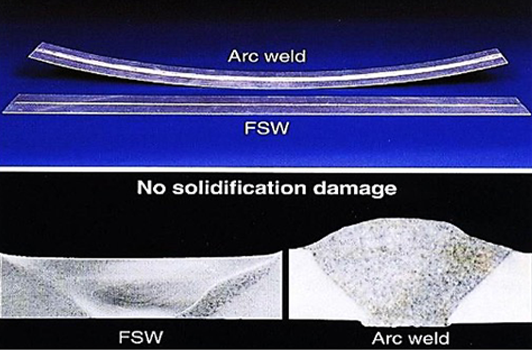


| Friction Stir Welding (FSW) | Category | Arc Welding |
|---|---|---|
| Applicable to non-ferrous metals (Al, Cu, Mg, Ti, etc.) and dissimilar materials | Application Range | Primarily for ferrous metals (Fe-based) |
| Excellent optimization and reproducibility (advantages of solid-state joining) | Quality Reproducibility | Reproducibility varies depending on operator skill and know-how |
| Eco-friendly process with minimal environmental impact | Environment | Presence of fumes, arc radiation, and hazardous substances |
| Higher initial cost but minimal ongoing consumable costs | Cost | High labor costs and continuous consumable expenses |